GERMANY · THE STORY BEHIND THE BOWL
Germany: The Winter Forest Rebellion
Smoked sausage, winter kale, and the comfort of Germany’s cold-weather kitchens.
Some winter meals are built to be eaten quietly. Northern Germany’s kale tradition is not one of them.
In Lower Saxony, Bremen, and the country around Oldenburg, Grünkohl is more than a vegetable waiting beside the meat. It is cold-weather identity, an excuse to gather, and the destination at the end of a very particular winter walk. Our soup begins there, then wanders into the forest and returns carrying mushrooms, potatoes, and several ideas that would not pass a traditional-recipe inspection.
That is the rebellion. We are not trying to disguise an old German soup as something we invented. We are taking a documented regional relationship among kale, sausage, potatoes, winter, and company, then building a new bowl around it.
The Winter Kale Tradition
Lower Saxony treats kale as cultural property. The state tourism office describes it as a defining winter food, especially around Oldenburg, the Middle Weser, Braunschweig, and the coast. A classic meal brings together steaming kale, sausage, and potatoes after cold weather has settled in. Lower Saxony tourism: Grünkohl.
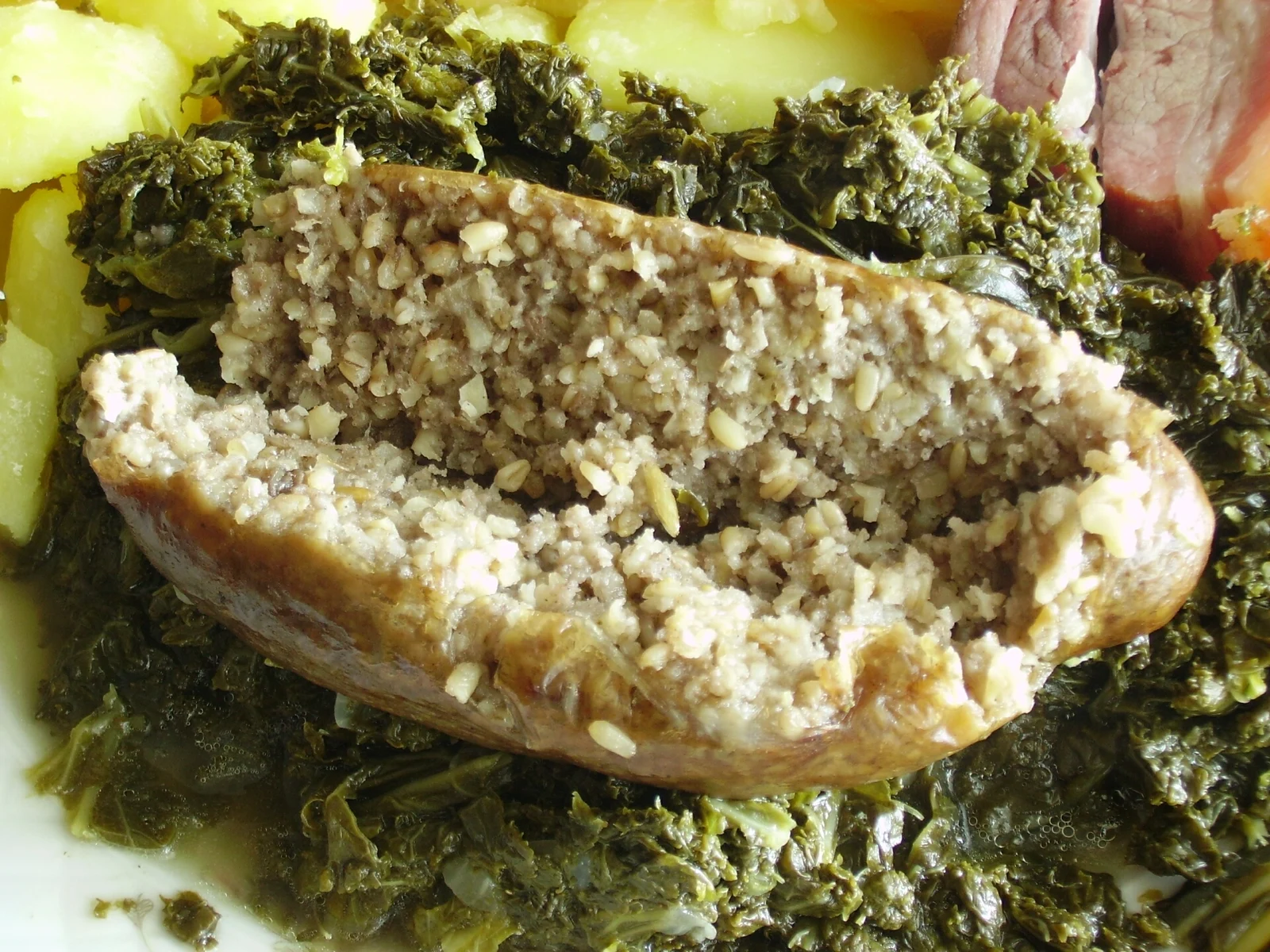
In Bremen, the best-known version is Kohl und Pinkel: kale served with smoked pork, belly pork, and Pinkel, a coarse sausage made with meat, grain, onions, and spices. The Lower Saxony food authority distinguishes Pinkel from other regional sausages by the visible oat or barley groats in the mixture. Our Boski hardwood-smoked pork sausage is not Pinkel, and this soup should not be read as a bowl of Grünkohl mit Pinkel. The connection is inspiration, not substitution. Culinary Bremen: Kohl und Pinkel · Lower Saxony food authority: Pinkel and kale season.
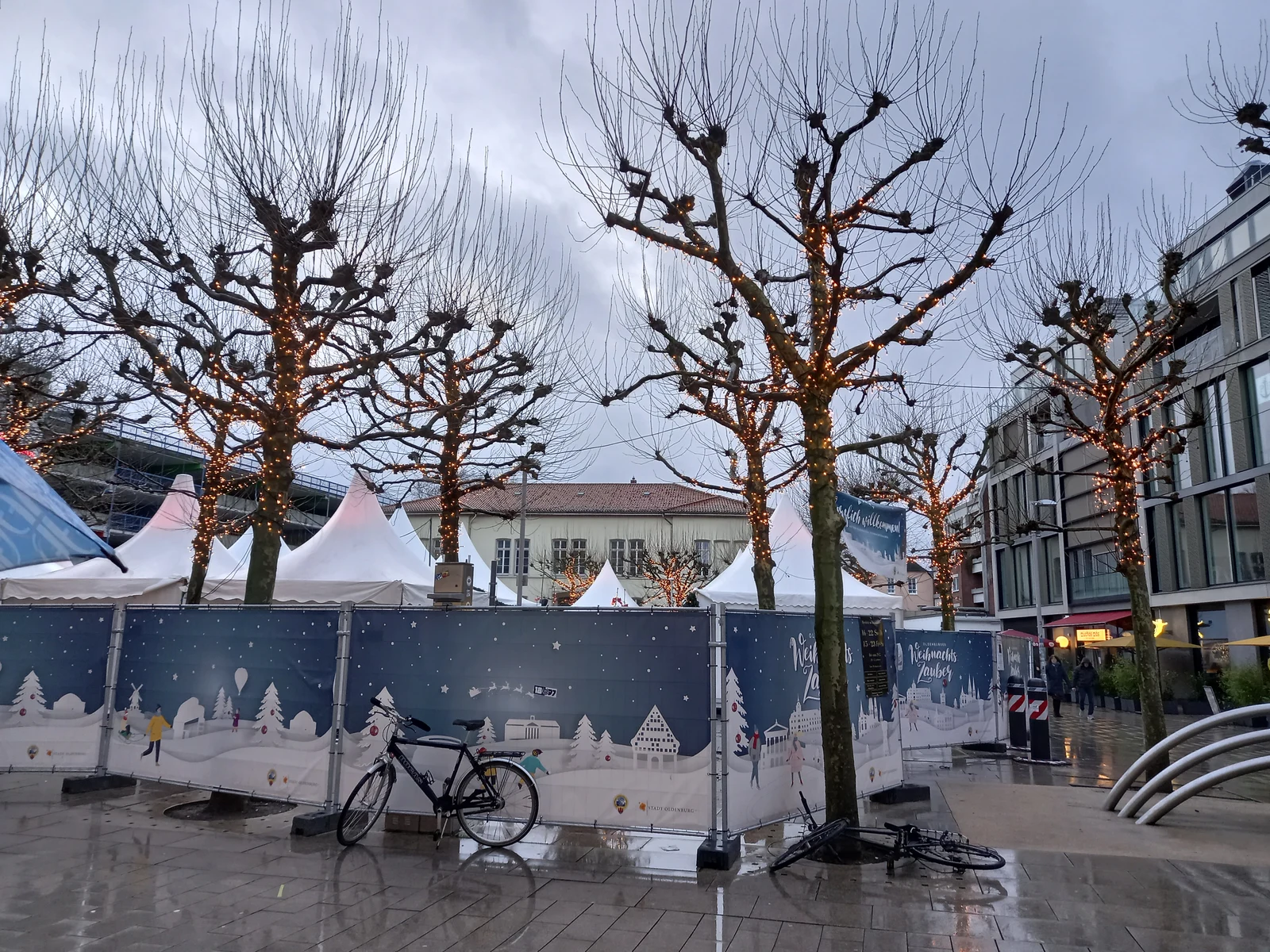
The gathering matters as much as the plate. A Kohlfahrt sends groups into the winter air with a handcart, drinks, conversation, and games before everyone arrives for a communal kale meal. Oldenburg traces the modern form to the city’s gymnastics association, founded in 1859, while older local records refer to cabbage plots centuries earlier. The city now calls itself the capital of Kohltour culture, with a season running from November into March. City of Oldenburg: kale and Kohltour tradition · Bremen traditions: Kohlfahrt.
Germany’s Relationship with Mushrooms
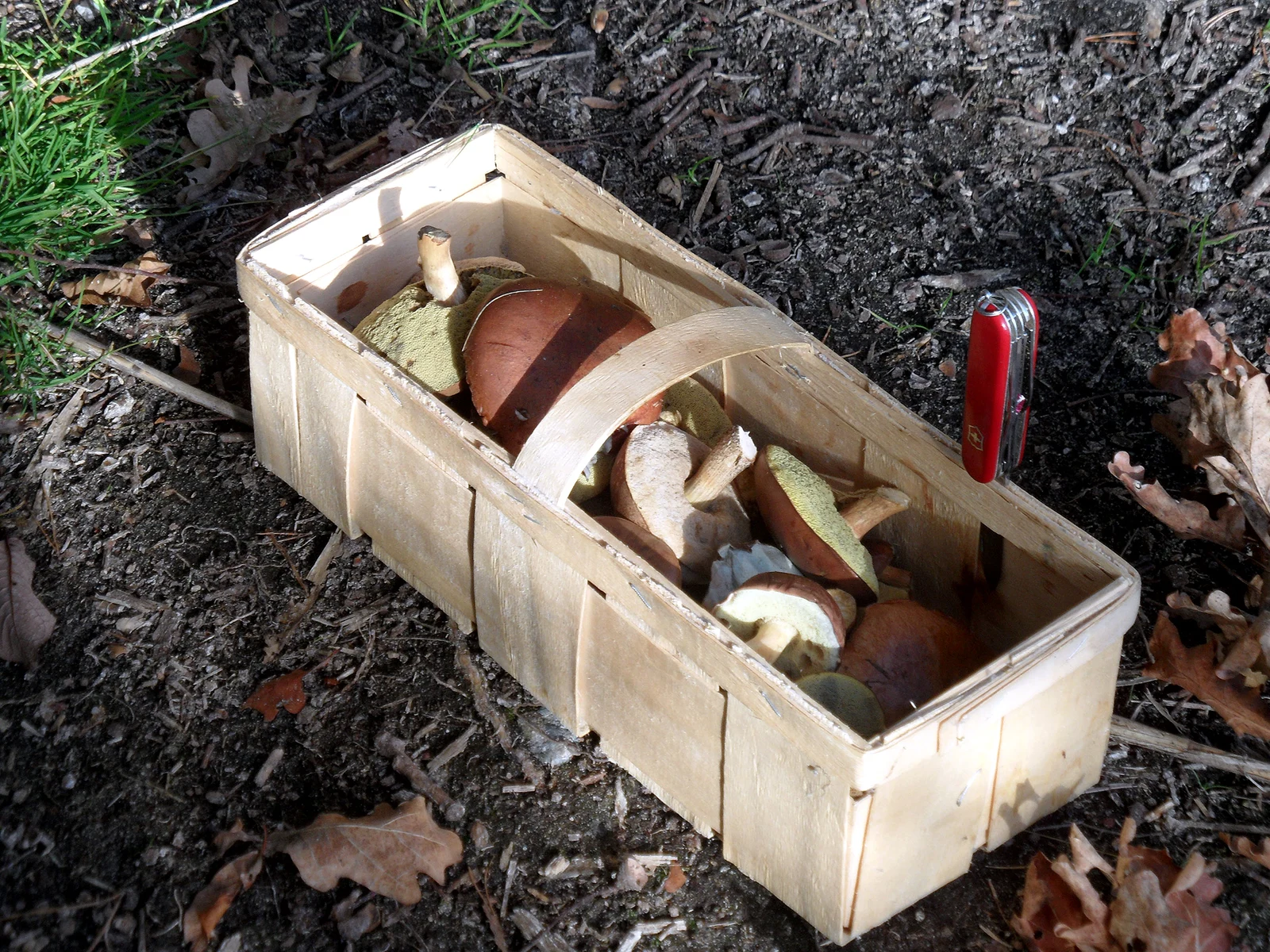
Our second path into the bowl runs through the woods. Mushroom gathering remains a recognizable autumn practice in Germany; the national tourism board points travelers toward Brandenburg forests for porcini, parasols, puffballs, and other edible finds after seasonal rains. Germany’s federal risk institute also warns that wild mushroom identification demands real expertise because deadly species can resemble edible ones. We are staying safely at the grocery store. Germany Travel: mushroom foraging · German Federal Institute for Risk Assessment: mushroom safety.
Cremini mushrooms give the soup familiar earthiness and volume. Shiitakes deepen the savoriness, but they are a modern, nontraditional choice here. They do not become historically German because we browned them in the same pot as sausage. They are simply very good at making a creamy broth taste as though it spent more time in the forest.
Potatoes and the Winter Table
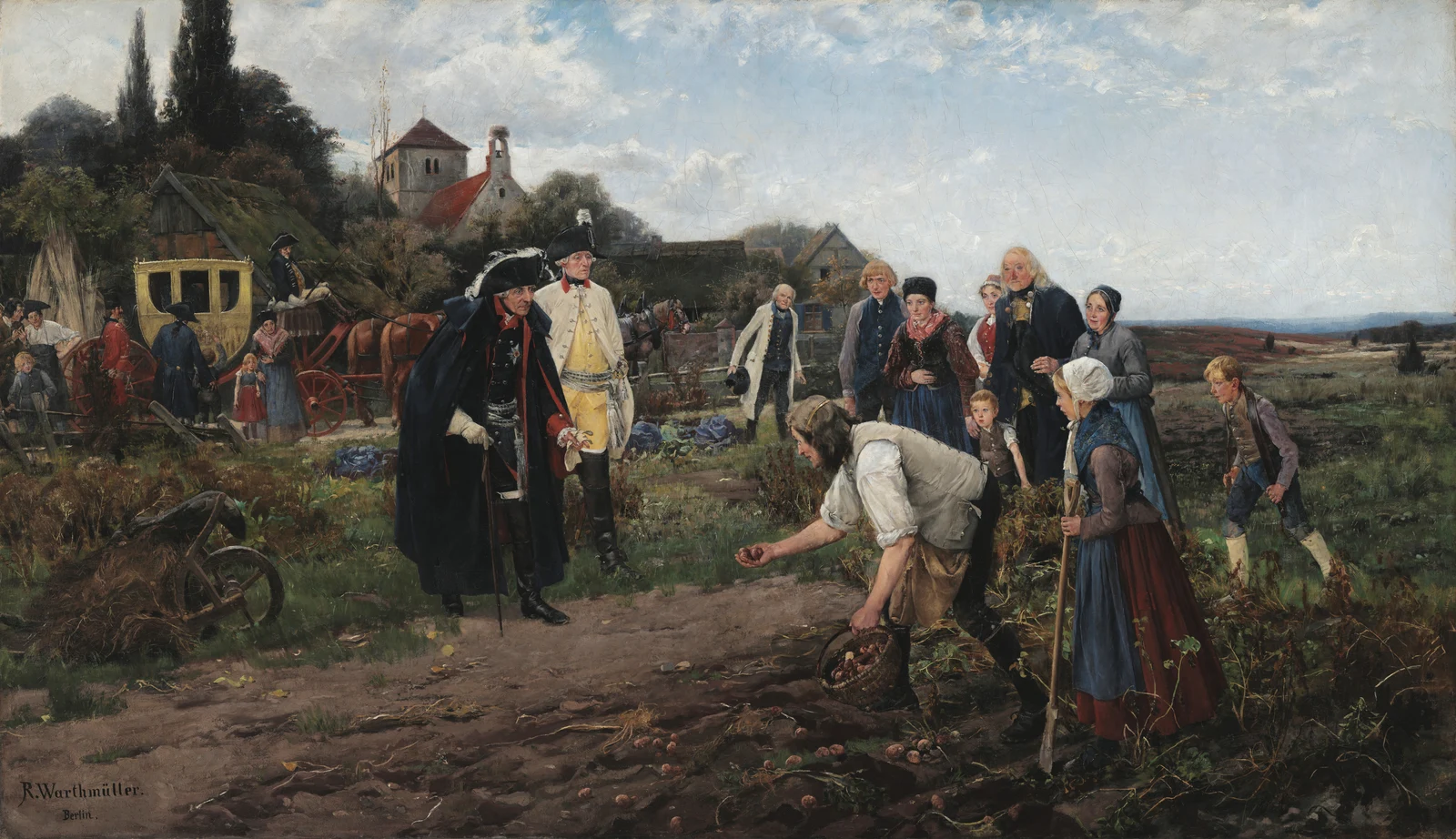
Potatoes arrived in Europe from the Americas and became a major German staple much later. The German Historical Museum describes their promotion in eighteenth-century Prussia and their emergence as a staple food during the nineteenth century. That history sits behind an enormous range of German potato preparations, including dumplings with strong regional personalities. German Historical Museum: a brief history of the potato.
We are using Italian potato gnocchi because they are accessible, pillowy, and practical on a weeknight. They provide the potato-dumpling comfort we want without pretending to be Klöße, Knödel, or any other German specialty. The shortcut belongs to our recipe, not to the history we are borrowing from.
The Blackened Ladle Interpretation
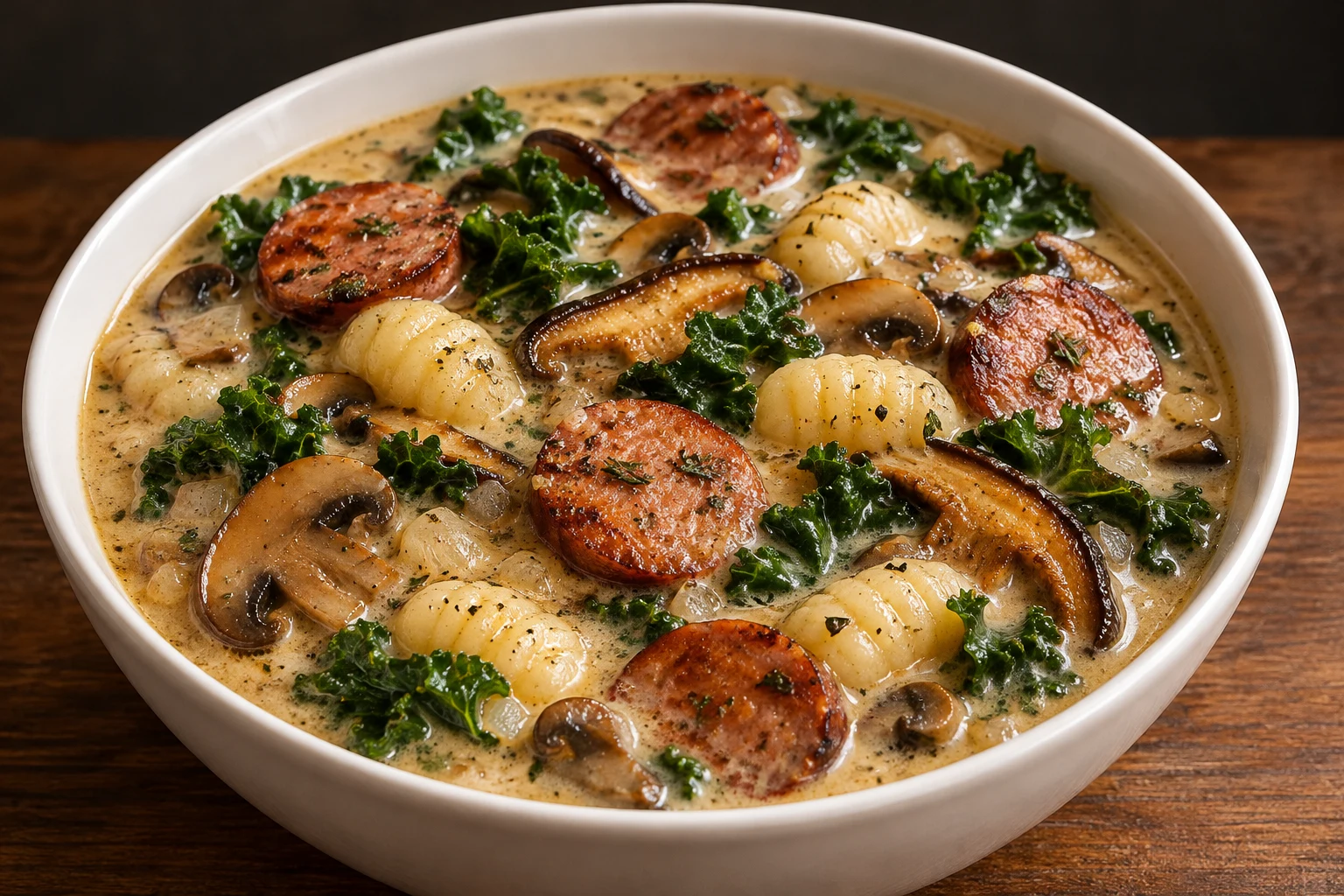
The Winter Forest Rebellion starts with deeply browned smoked sausage and two batches of mushrooms cooked until their moisture is gone and their edges turn dark. Onion, garlic, thyme, white wine, stock, and Dijon build the broth. Kale gives the bowl its Northern German anchor, while gnocchi bring the potato element in a soft, generous form.
Then we leave the traditional road entirely. Cream and Parmesan round the broth, shiitakes intensify the mushroom flavor, and lemon keeps everything from collapsing under its own richness. Optional caraway or marjoram can pull the bowl a little closer to its German inspiration, but restraint matters. The sausage, mushrooms, and kale should still lead.
This is not a traditional German soup. It is our winter interpretation of several ideas that belong together: food sturdy enough for cold weather, sausage built to share, greens that improve the table when the garden looks empty, and a meal that makes more sense when other people are coming over.
The kale tradition gave us the map. The mushrooms led us off the road.
Comments
Loading comments…