COOK THE COMPETITION · BYE WEEK · WESTERN NEW YORK
Buffalo vs. Buffalo: When the Hometown Becomes the Competition
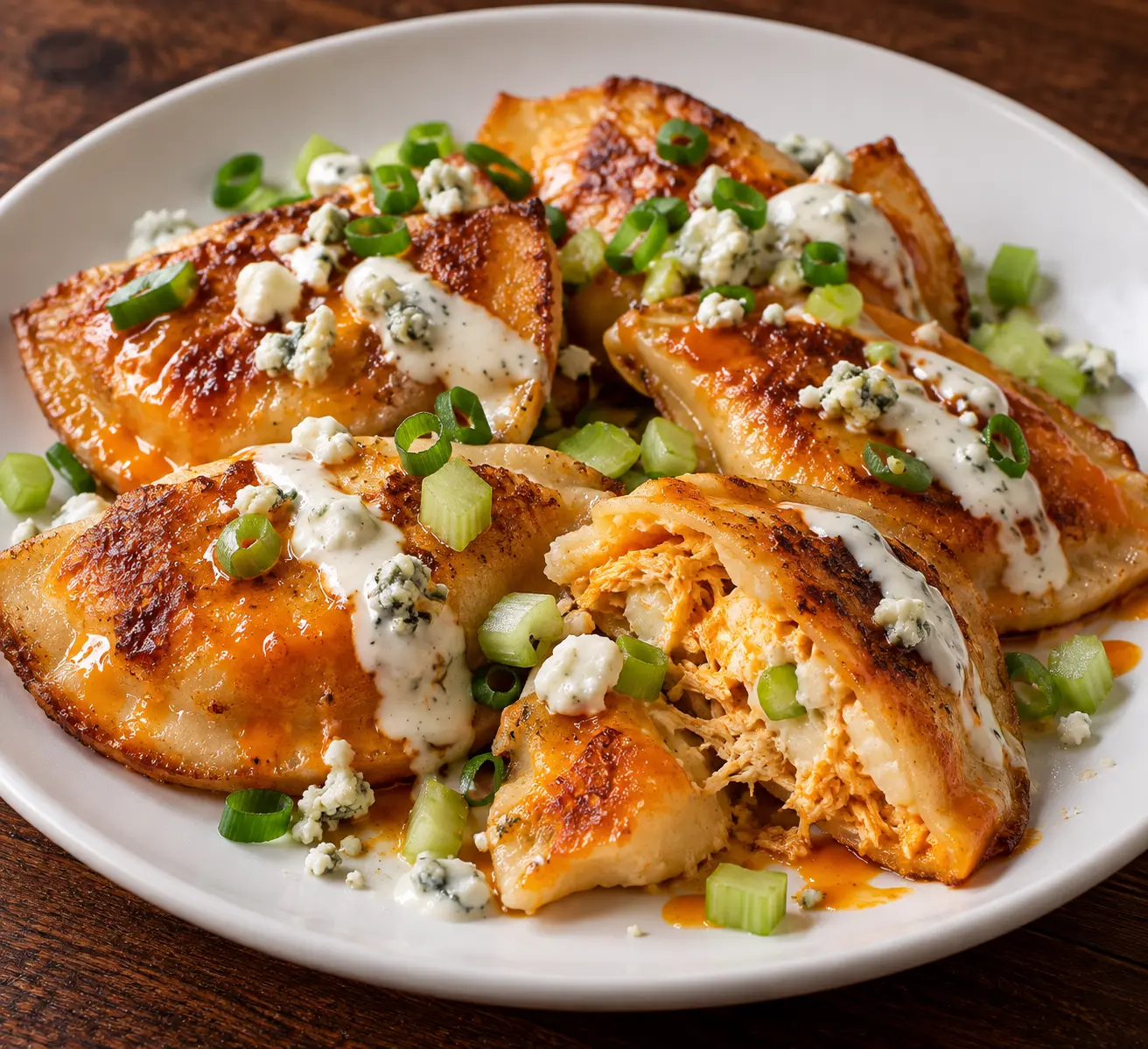
Buffalo Chicken Wing Pierogi with Whipped Blue Cheese Crema
For once, there is nobody on the other sideline.
The Bills have a bye. There is no visiting city to research, no opposing fan base to antagonize gently, and no excuse to turn another region’s perfectly reasonable dinner into something that requires a second plate.
So this week, Buffalo is cooking Buffalo.
That sounds simple until you try to decide what Buffalo tastes like.
The easy answer is wings. It is the answer printed on menus everywhere, sometimes attached to food that has never been anywhere near Western New York. But my hometown was feeding people long before its name became a sauce, and the food I associate with home has never fit neatly inside one basket.
I grew up in Lancaster and Depew and went to school in West Seneca. I am African American, not Polish. And in our family, we ate cheese pierogi with jelly.
Yes. Jelly.
Before anybody reports us to a dumpling authority, understand that this tasted good. I am not presenting it as an inherited Polish custom or suggesting everyone in Buffalo ate them that way. It was something we did. Soft cheese filling, tender dough, a little sweetness on top. A family habit that sounds strange until it becomes the exact thing you miss.
That memory is where this recipe begins. Not in a claim that I grew up in a traditional Polish kitchen, but in the experience of growing up somewhere that made pierogi familiar anyway.
Our Buffalo Chicken Wing Pierogi bring those hometown influences together. Creamy potato and shredded Buffalo chicken inside tender dough, boiled and then browned in a skillet, with a light Buffalo butter sheen and whipped blue cheese crema. They should look like pierogi first. The chicken wing connection arrives when you take a bite.
But to explain why those two foods belong on the same plate, we need to talk about more than food.
We need to talk about the place.
A City Built at the Crossroads
Long before the city, this was part of the homeland of the Seneca, the Keepers of the Western Door within the Haudenosaunee Confederacy. That history is not simply a preface that ends when European settlement begins. The Seneca remain part of Western New York’s present. Any story of Buffalo built only around the people who arrived later begins too late. (Buffalo & Erie County Public Library: Buffalo’s migrant and immigrant heritage)
Buffalo’s growth was tied to water. Lake Erie, the Buffalo River, the Niagara River, and the Erie Canal made this a place where people and goods could move between regions. When the canal opened in 1825, Buffalo became the western gateway to a transportation system linking the Great Lakes with the Hudson River and the Atlantic. Work followed. So did people. (Buffalo’s migrant and immigrant heritage)
And if you want to see what that meant, look at the grain elevators.
Those enormous structures beside the Buffalo River are not just an atmospheric background for photographs. They are evidence of a city that helped move the country’s food. Grain arrived from the interior aboard lake vessels and needed to be unloaded, stored, and sent onward. In the early 1840s, Joseph Dart and engineer Robert Dunbar developed Buffalo’s pioneering mechanized grain elevator, transforming how that work could be done. The later collection of elevators became one of the country’s most important industrial landscapes. (University at Buffalo: the grain elevator story · Library of Congress: Buffalo Grain Elevators)
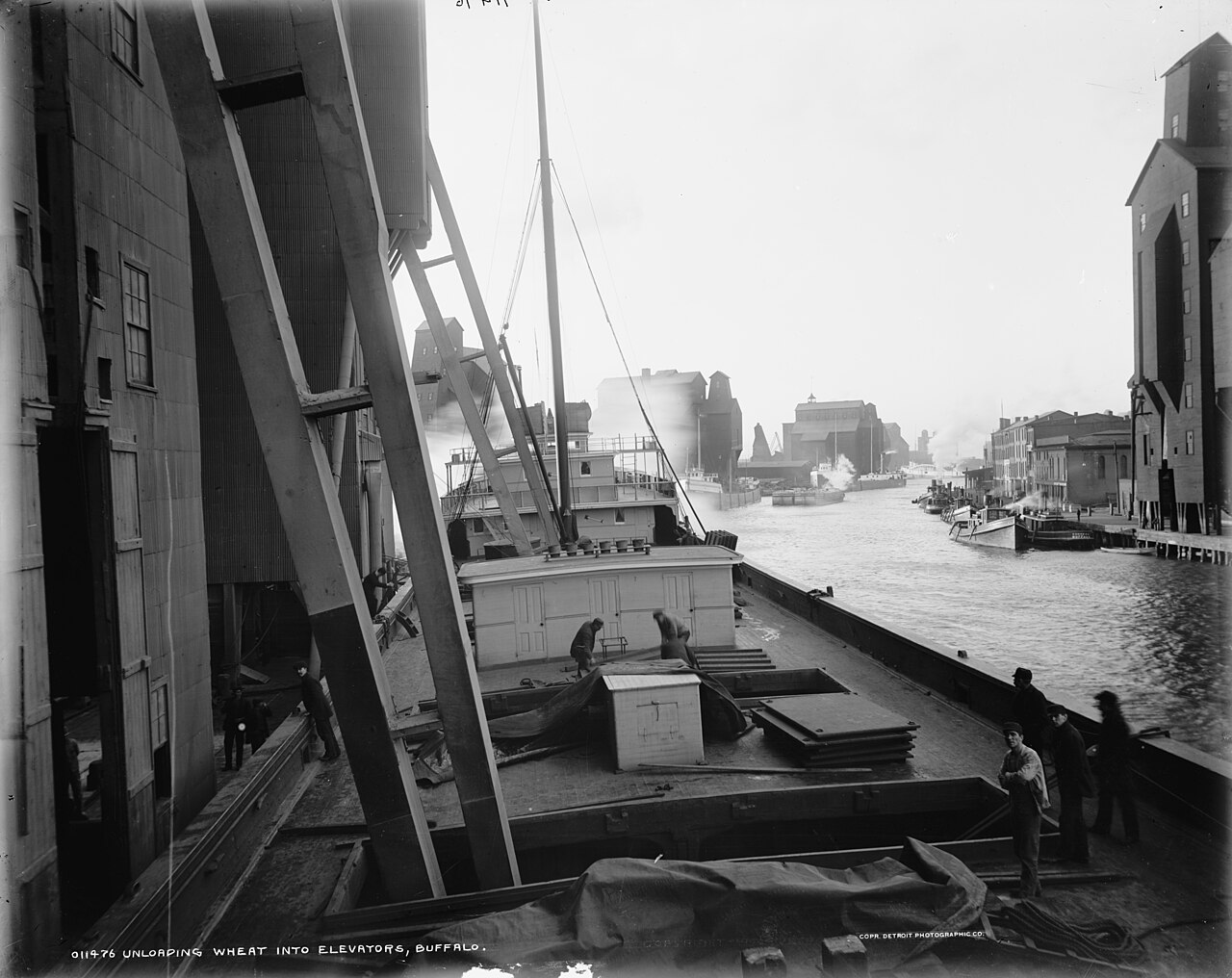
Before Buffalo became a flavor, it was helping move ingredients.
There is something fitting about that. A city now famous for what happens in its kitchens spent generations making sure food could reach other kitchens in the first place.
The waterfront also reminds us that “working class city” is not just a phrase to place beside a gritty photograph. There were actual people unloading vessels, working rail yards, tending machinery, and coming home hungry. Their families built neighborhoods around that work.
Irish, German, Polish, Italian, and Jewish immigrants established communities, businesses, places of worship, and social institutions. Black Buffalonians had already put down roots before the Civil War, and the Great Migration later brought many more families north from the South. Puerto Rican migration and subsequent arrivals from around the world continued reshaping the region. These histories overlap, but they are not interchangeable. (Buffalo’s migrant and immigrant heritage · City of Buffalo: New Americans study)
Neither was everyone welcomed equally. Black families encountered discrimination in housing and employment, and the opportunities promised by industrial Buffalo did not erase racial barriers. Loving your hometown does not require pretending its history was fair. It requires making room for the people whose experiences do not fit the most comfortable version of the story. (University at Buffalo: The Harder We Run)
That is one reason the Michigan Street African American Heritage Corridor matters.
Michigan Street Baptist Church and the institutions around it connect Buffalo to abolitionism, the Underground Railroad, civil rights organizing, and a rich musical history. The Colored Musicians Club is part of that story, too. Black Buffalo was building culture, businesses, and community long before anyone decided it belonged in a visitor guide. (Michigan Street African American Heritage Corridor · Visit Buffalo: African American heritage)
More Than a Postcard
Travel north along the Niagara River, and the geography takes on another meaning.
Niagara Falls is its own city, not a Buffalo neighborhood, but it belongs to the larger Western New York landscape that outsiders tend to compress into one destination. The Falls are spectacular, of course. Even people who live nearby can occasionally remember to be impressed by the enormous amount of water throwing itself over a cliff.
The river also marked an international border that freedom seekers crossed to reach Canada. In Niagara Falls, hotel workers, transportation routes, and the suspension bridge became part of Underground Railroad history. The same region associated with tourism and postcard views also holds stories of people risking everything for freedom. (National Park Service: Niagara Falls Underground Railroad Heritage Center)
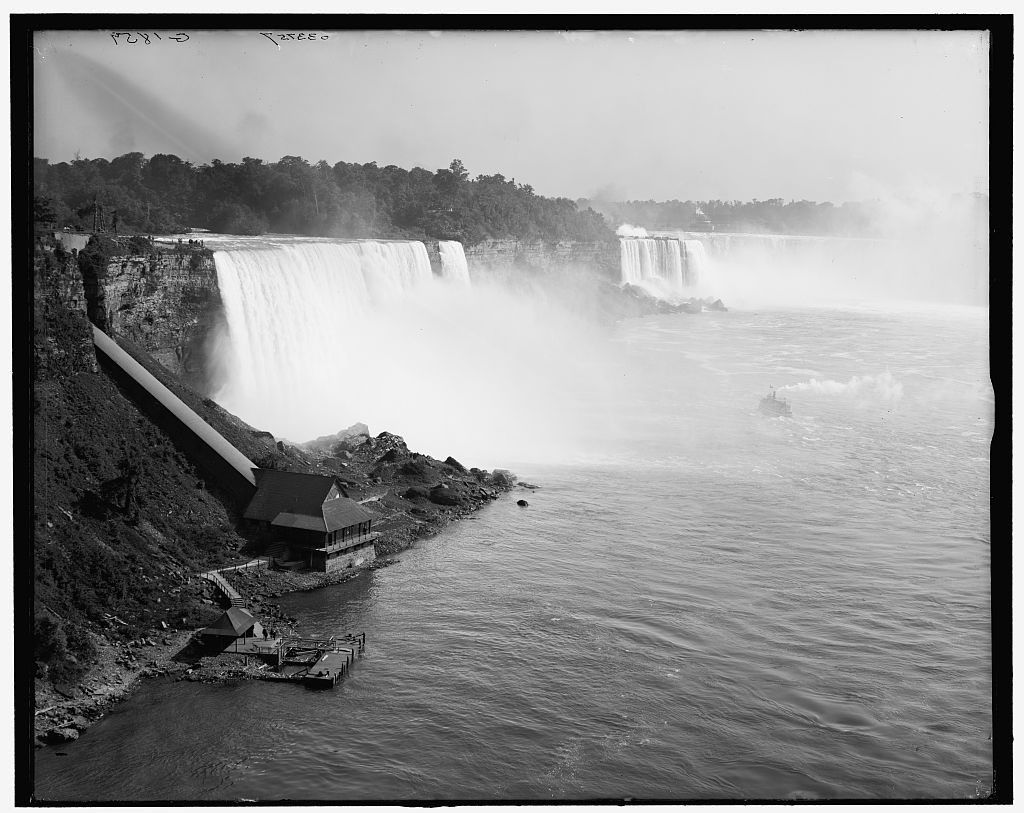
Niagara’s water helped power the region’s industrial ambitions as well. In 1896, electricity generated at Niagara Falls was transmitted to Buffalo using alternating current technology. The relationship between the two cities was not just scenic. It was practical, technological, and part of a new electrical age. (Niagara Falls National Heritage Area: power and industry)

Arrivals, Departures, and the City Between
Water brought people here. Railroads helped carry them through.
That brings us to the old train station.
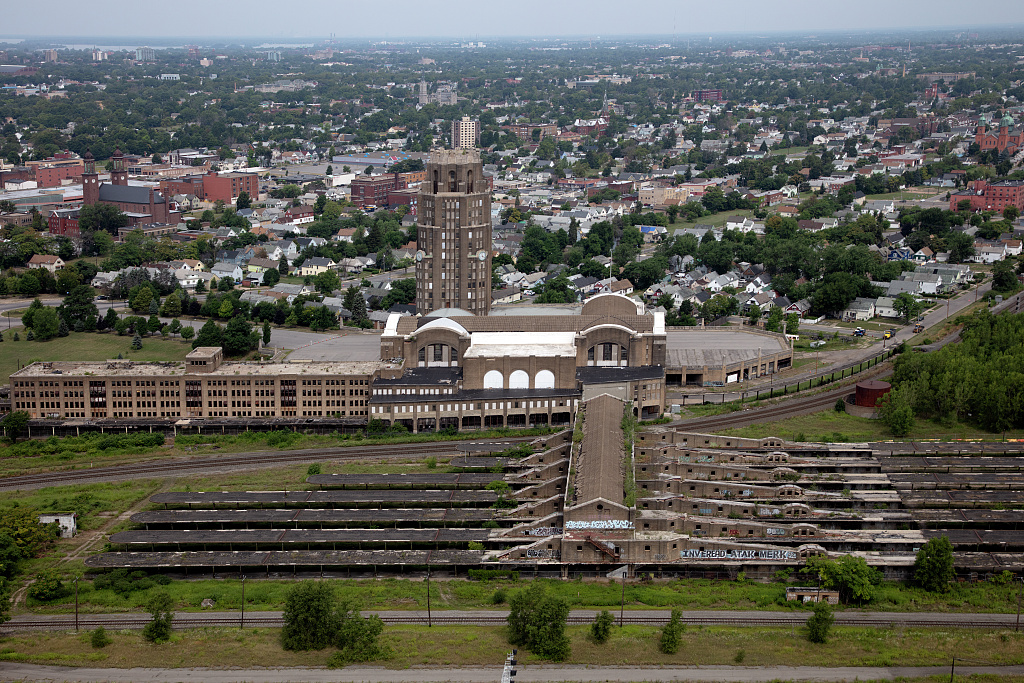
Buffalo Central Terminal opened in 1929, an Art Deco landmark in Broadway Fillmore built for an era when rail travel was central to American life. Its last train departed in 1979. The tower remains one of the city’s most recognizable buildings, a reminder of Buffalo’s former scale and of the care required to give historic places a useful future. (Buffalo Central Terminal: history and restoration)
It is easy to describe a building like that only through decline. Buffalo has had enough of that treatment.
The Terminal is also a statement about what this city once expected of itself. You do not build a station like that because you think your best days are somebody else’s concern. You build it because people are arriving, leaving, working, visiting, and expecting the place to matter.
The Buffalo I Grew Up In
My own geography was farther out, but connected to all of this.
Depew grew around railroads and industrial development. Transit Road divides the village between the towns of Lancaster and Cheektowaga, which is a very Western New York arrangement. Ask somebody where they live and you may receive a village, a town, a school district, and a fifteen minute explanation. (Village of Depew: history)
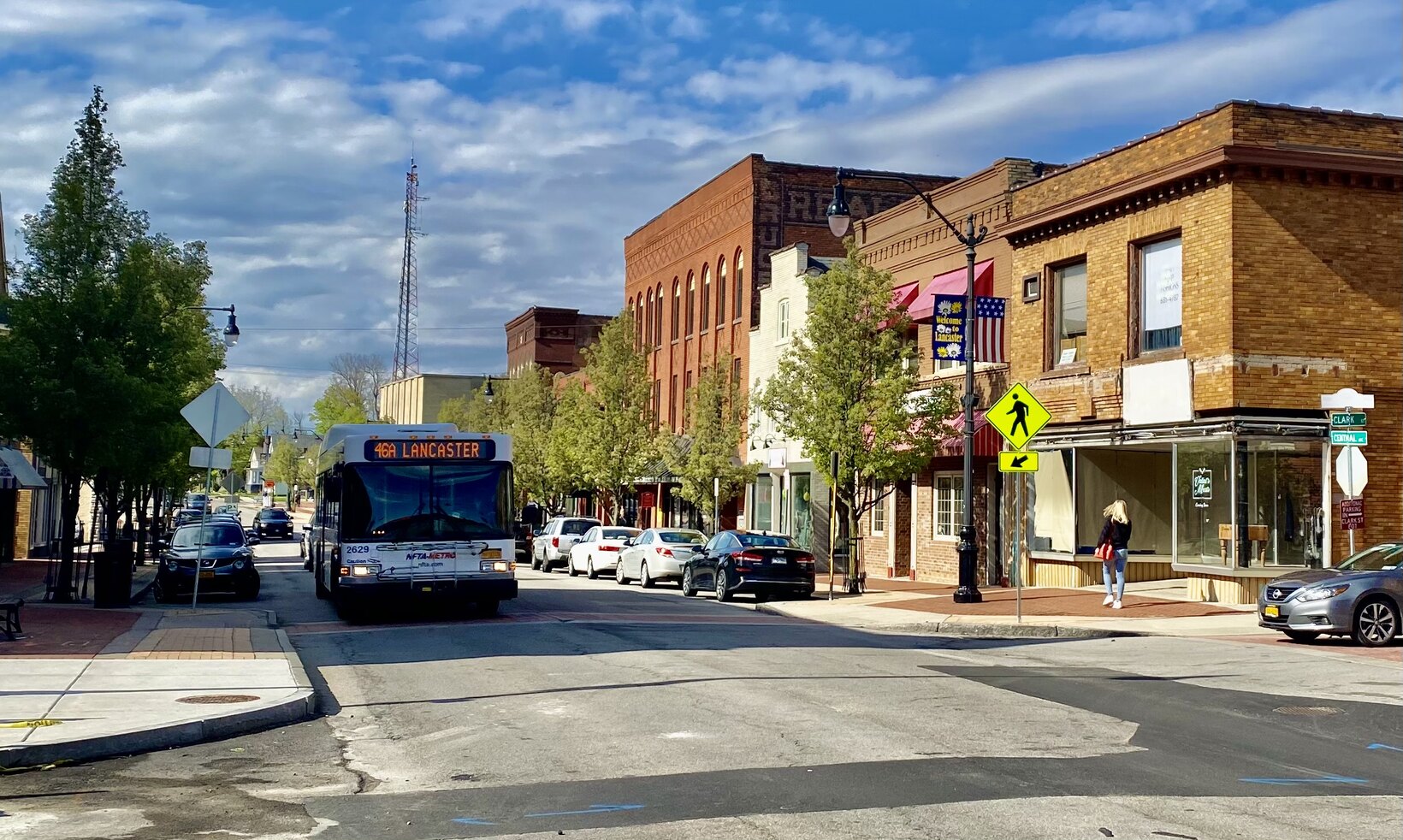
Lancaster developed its own village identity while remaining connected to Buffalo as a historic streetcar suburb. West Seneca’s story includes the German Ebenezer communities established during the 1840s, followed by agricultural life and later suburban development. These were not blank spaces waiting for Buffalo to spread into them. They had histories of their own. (New York State: Lancaster’s regional and historic context · Town of West Seneca: history)
Growing up between Lancaster, Depew, and school in West Seneca gave me a Buffalo that was regional rather than neatly bounded. Home was not one downtown photograph. It was the communities around the city, too.
Pierogi, Jelly, and a Place at the Table
Food crossed those boundaries more easily than municipal government.
Polish families established a major community around Broadway and Fillmore, anchored by institutions such as St. Stanislaus. Over generations, families also moved into surrounding communities including Cheektowaga and Depew, carrying their traditions with them. Pierogi became part of the region’s shared food vocabulary without ceasing to be connected to Polish heritage. (Buffalo’s East Side neighborhoods · New York Heritage: growing neighborhoods)
That distinction matters to me. Something can become familiar in your childhood without becoming your ancestral tradition.
I can respect the Polish kitchens that made pierogi part of Western New York and still tell you, honestly, that my own family put jelly on the cheese ones.
I cannot promise approval. I can promise that we ate well.
There Is More on the Menu
And Buffalo’s food conversation has never ended at pierogi.
Take beef on weck. Thinly sliced roast beef, a roll crusted with coarse salt and caraway, a little jus, and horseradish that can briefly make you reconsider your sinuses. Its precise inventor is uncertain, but its history reaches back to the late nineteenth century and the German influenced kümmelweck roll. There is even a historical marker in West Seneca recognizing the sandwich. (William G. Pomeroy Foundation: beef on weck)
It is not a sandwich that needs much explaining once you eat it. The roll does real work. The salt, caraway, beef, and horseradish each have a job, and none of them are there for decoration.
Then there is sponge candy.
If you have never eaten it, the name is unhelpful. Nothing about “sponge” suggests you should be excited. But inside the chocolate is an airy, brittle sugar center that crunches and then dissolves. Buffalo confectioners have made it a regional calling card. Its exact origin is uncertain, so I will not claim the city invented the entire family of aerated sugar candies. What Buffalo did was make this version feel unmistakably like home. (Visit Buffalo: sponge candy and regional food history)
Add Friday fish fries, charcoal grilled hot dogs, chicken finger subs, frozen custard, and pizza with those little cups of pepperoni collecting hot oil, and the local menu gets crowded quickly. (Visit Buffalo: classic regional foods)
And that is before the Puerto Rican kitchens along Niagara Street, or the immigrant and refugee owned businesses that continue changing the West Side. Buffalo’s food history is not finished. It is still being cooked. (Visit Buffalo: Niagara Street’s Hispanic food traditions · Visit Buffalo: Grant Street)
Two Wing Stories, One Hometown
Of course, we eventually have to talk about wings.
The familiar story begins with Teressa Bellissimo at the Anchor Bar in 1964. Fried wings, hot sauce, celery, blue cheese. The preparation became a worldwide reference point. But telling the whole local story also means remembering John Young, the Black restaurateur who served whole, breaded wings with his tomato based Mambo sauce at Wings and Things on Jefferson Avenue. They were different preparations, and Young deserves recognition as a wing pioneer in his own right. (The Buffalo History Museum: who served Buffalo’s first wings?)
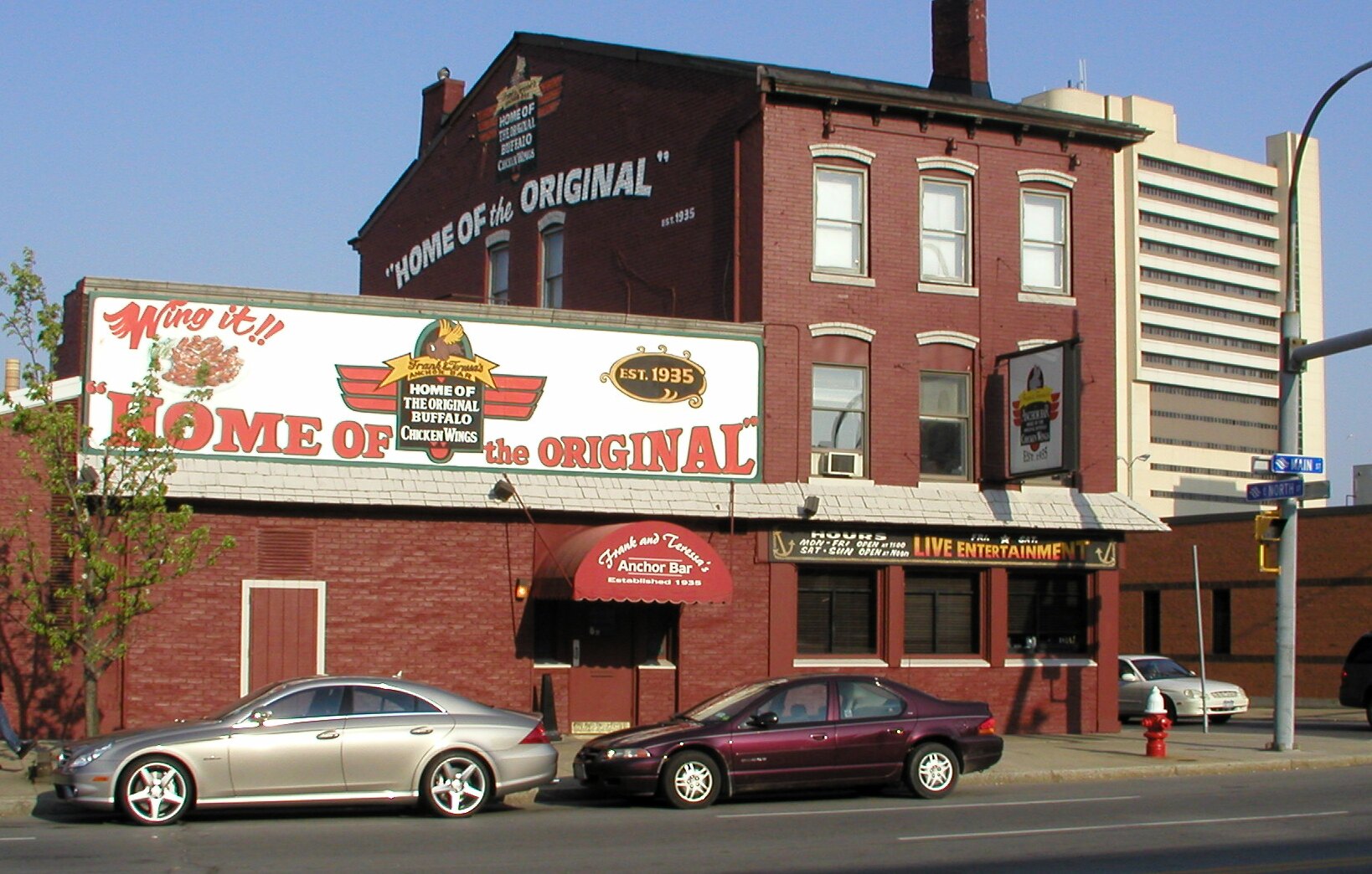
That history matters in this recipe. Buffalo’s most famous food did not come from a city with only one culinary voice.
Our pierogi bring some of those voices into conversation without pretending to reproduce a historic dish. The potato filling provides comfort. Shredded chicken brings the familiar Buffalo heat. Browning the dumplings gives the dough texture. The blue cheese crema cools everything down without burying it.
No jelly this time.
I am willing to defend the childhood version, but I do have boundaries.
The Forecast Depends on Your Street
Now, about the snow.
People outside Western New York tend to imagine Buffalo weather as one large, evenly distributed inconvenience. Those of us from the region know the forecast requires more detail.
Where, exactly?
Cold air crossing warmer lake water can produce lake effect snow in narrow bands. Wind direction determines where those bands land, and prevailing winds generally give areas south of Buffalo more lake effect snow than communities to the north. But a shifting band can rearrange the situation fast. The Northtowns are not immune, and the Southtowns do not receive every storm by contractual agreement. (National Weather Service: Buffalo climate · National Weather Service: lake effect snow)
You can be digging out while somebody a short drive away is looking at bare pavement. Lancaster and Depew are east of the city, not simply interchangeable with the Southtowns, but the route toward West Seneca can take you into a very different patch of weather.
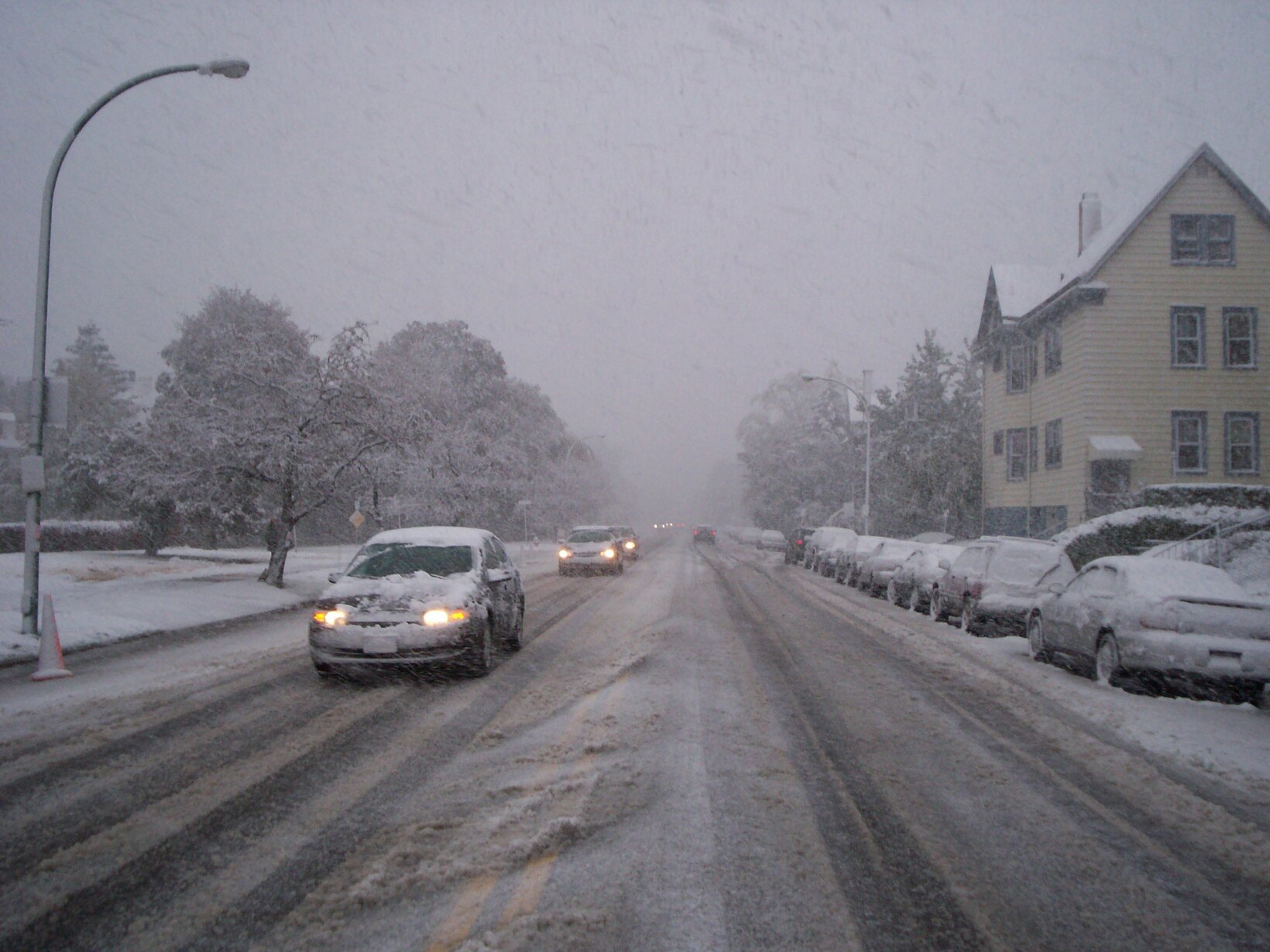
The Southtowns usually get more lake effect snow, but the lake has never signed an exclusivity agreement. The October 2006 storm hit Buffalo and its surrounding communities while many trees still carried their leaves. This is a city scene, not a photograph from West Seneca. (National Weather Service: the October 2006 storm)
The lake does not care about your plans or your school district.
It also does not care how many times you explain that you are used to snow. Major storms are dangerous, not a test of local toughness. The best part of Western New York’s response is not pretending otherwise. It is the preparation, the checking in, and the people helping when it is safe to do so.
One Region, One Team, Plenty of Condiments
Which brings us, finally, to the Bills.
Orchard Park puts the team in the Southtowns. Emotionally, the Bills belong to the whole region.
Lancaster, Depew, West Seneca, the city neighborhoods, the Northtowns, the Southern Tier, and the people who moved away all have a stake in Sunday. You can disagree about the best pizza, the right wing order, or whether somebody from a particular suburb is really “from Buffalo.” Put the game on and most of those jurisdictional disputes become less urgent.
The Bills give a complicated region a shared point of connection. They do not erase its divisions, but they can put people who otherwise live separate lives in the same conversation.
Bills Mafia gave that feeling a name.
The term grew from an online joke around 2010, with Del Reid, Leslie Wille, and Breyon Harris helping establish the community behind it. What began among fans became a much larger identity, with gatherings, player support, and an emphasis on giving back. (Buffalo Bills: the origins of Bills Mafia)
And then there is Pinto Ron. Ken Johnson’s tailgate around his red Ford Pinto has become part cookout, part reunion, and part condiment weather event. Before kickoff, the ketchup and mustard shower turns one man into the most enthusiastically dressed hot dog in Erie County. It is ridiculous, communal, and difficult to explain to anyone who has never watched a parking lot become a neighborhood. (GQ: Meet Pinto Ron)

The tables get the videos. The generosity deserves equal billing.
After Cincinnati helped end Buffalo’s playoff drought, Bills fans donated to Andy and Jordan Dalton’s foundation. After Lamar Jackson was injured during a playoff game against Buffalo, fans supported Blessings in a Backpack, a cause important to him. That is a remarkable part of this fan base: the person on the opposing sideline can still be somebody worth helping. (Buffalo Bills: Bills Mafia’s giving tradition · Buffalo Bills: support for Blessings in a Backpack)
And when snow buried the area before the Bills traveled to Detroit in 2022, neighbors helped dig players out and get them to transportation. It was football logistics, yes, but it was also a very recognizable hometown response to a problem: who needs a hand, and who has a shovel? (Buffalo Bills: how the team reached Detroit during the storm)
Home, Folded into Dough
Living in Ohio now, I understand the way food and football can keep you connected to somewhere you no longer see every day.
I am not claiming one plate can hold the entire history of Buffalo. It cannot. Neither can one editorial.
But it can hold a few honest connections.
Polish dumplings that became familiar to an African American kid growing up in Lancaster and Depew. School days in West Seneca. A family habit involving cheese pierogi and jelly. The wing traditions of a city whose name now appears in kitchens around the world. A fan base that can be completely unreasonable about football and extraordinarily thoughtful about people.
The grain elevators and Central Terminal remind us how much moved through Buffalo. Niagara Falls reminds us of the region’s power, beauty, and complicated border history. The markets and neighborhood kitchens remind us that people did not simply pass through. They stayed, built lives, and fed one another.
That is the hometown I want this series to honor.
Not a postcard frozen in the past. Not a list of foods treated as souvenirs. A real place, with different communities, difficult histories, enduring traditions, and room for something new.
This week, that something is a plate of golden pierogi with Buffalo chicken inside.
The Bills can take the afternoon off.
We have dough to roll.
Buffalo versus Buffalo. The hometown is the competition, but home is always the reason we cook.
Comments
Loading comments…